Flat roofs are widely used in the United Kingdom for both residential and commercial properties due to their cost-effectiveness, modern appearance, and practical design. However, despite their advantages, flat roofs are more prone to specific issues compared to pitched roofs. Understanding these problems early helps prevent major damage and reduces repair expenses. This guide explains the most common Flat Roof Problems and provides easy solutions to ensure long-lasting protection for your property.
Why Flat Roofs Develop More Problems
Unlike pitched roofs, flat roofs do not allow water to run off easily. Standing water, weather exposure, and material wear contribute to quicker deterioration. Most flat roofs consist of materials such as felt, EPDM rubber, GRP fibreglass, or PVC membranes. While these materials are durable, they require proper installation and regular maintenance. When neglected, they develop problems that can lead to leaks, internal damage, and significant repair costs. Understanding Flat Roof Problems is the first step toward preventing future issues.
1. Standing Water and Poor Drainage
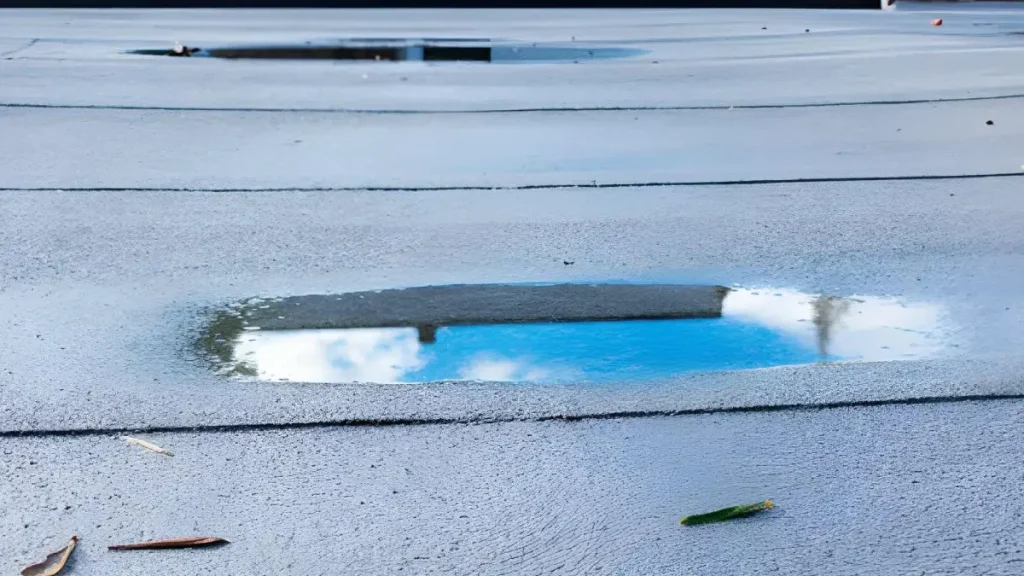
One of the most common issues is ponding water, which occurs when water remains on the roof surface for more than 48 hours. This happens due to poor design, blocked drains, sagging areas, or an insufficient slope. Standing water slowly weakens roofing materials and increases the risk of leaks.
Easy Solution:
Clean drains regularly, ensure proper roof slope during installation, and repair sagging areas. Installing additional drainage points can also prevent water accumulation.
2. Cracks and Splits in the Roofing Material
Flat roofs are exposed to temperature changes, which cause materials to expand and contract. Over time, this leads to cracks, blisters, or splits. Felt roofs and older flat roofs are more likely to develop this problem.
Easy Solution:
Small cracks can be repaired with roofing sealant or patches, but larger splits require professional repair. Upgrading to EPDM or GRP roofing materials reduces future cracking.
3. Blistering and Bubbling
Blisters form when moisture becomes trapped under the roofing membrane. This trapped moisture heats up during warm weather, creating bubbles or raised areas. If left untreated, blisters eventually burst and cause leaks.
Easy Solution:
Blisters need careful removal and patching. The affected area must be cut open, dried properly, and resealed. Preventing moisture entry and ensuring high-quality installation is essential.
4. Flashing Damage Around Edges and Upstands
Flashing seals the edges and joints of a flat roof, especially around chimneys, skylights, vents, and walls. Over time, flashings can crack, become loose, or detach due to weather exposure. Damaged flashing causes leaks and internal dampness.
Easy Solution:
Replace cracked or loose flashing quickly. Use high-quality metal or membrane flashing materials for longer-lasting protection. Professional installation ensures watertight joints.
5. Membrane Shrinkage
Some flat roofing materials, especially older EPDM rubber roofs, can shrink over time. Shrinkage pulls the membrane away from edges and corners, exposing the underlying layers. This allows water to seep through and causes roof damage.
Easy Solution:
Small shrinkage can be managed by reattaching loose edges, but severe shrinkage often requires replacing the membrane. Installing a newer, reinforced EPDM or GRP system prevents future shrinkage.
6. Moss, Algae, and Plant Growth
Flat roofs are more likely to develop moss, algae, and even plant growth due to constant moisture and standing water. This growth traps moisture, damages membrane layers, and increases the risk of leaks.
Easy Solution:
Regular cleaning and applying anti-moss treatments help prevent growth. Gutter cleaning and improving drainage also reduce moisture build-up. Avoid pressure washing as it may damage roofing material.
7. Poor Installation Quality
Many Flat Roof Problems occur due to improper installation by inexperienced contractors. Incorrect sealing, poor material selection, uneven surfaces, and inadequate drainage design lead to recurring issues over time.
Easy Solution:
Choose a professional roofing company with experience in flat roof installation and repair. A correctly installed roof lasts longer, requires fewer repairs, and prevents expensive long-term damage.
How to Prevent Flat Roof Problems
Preventing issues is easier and cheaper than repairing them. Homeowners should schedule regular inspections, especially after storms or heavy rainfall. Keeping gutters clean, checking joints and edges, clearing debris, and addressing small issues early ensure a longer roof lifespan. Professional annual maintenance significantly reduces the risk of sudden leaks and costly repairs.
When to Call a Specialist
Flat roof repairs often require skilled handling because the materials and techniques differ from those used on pitched roofs. If you notice persistent leaks, recurring blisters, widespread cracks, or standing water, it is important to call a professional roofer. Companies like Giraffe Roofing provide inspections, accurate diagnosis, and long-lasting repair solutions tailored to your roof type.
Final Thoughts
Flat Roof Problems are common but manageable when identified early. Understanding the main issues and knowing the appropriate solutions helps homeowners protect their property and avoid unnecessary repair expenses. With proper installation, regular maintenance, and timely professional intervention, flat roofs can remain durable, weather-resistant, and long-lasting for many years. Being aware of these seven common problems ensures your roof stays in excellent condition and continues to perform effectively.